Know your device
Use your own compatible hardware wallet and unlock it yourself. Never enter a recovery phrase into a computer, website, or support chat.
Get oriented before you connect. This independent guide covers the desktop experience, basic preparation, account management concepts, and security awareness—so you can explore with care and confidence.
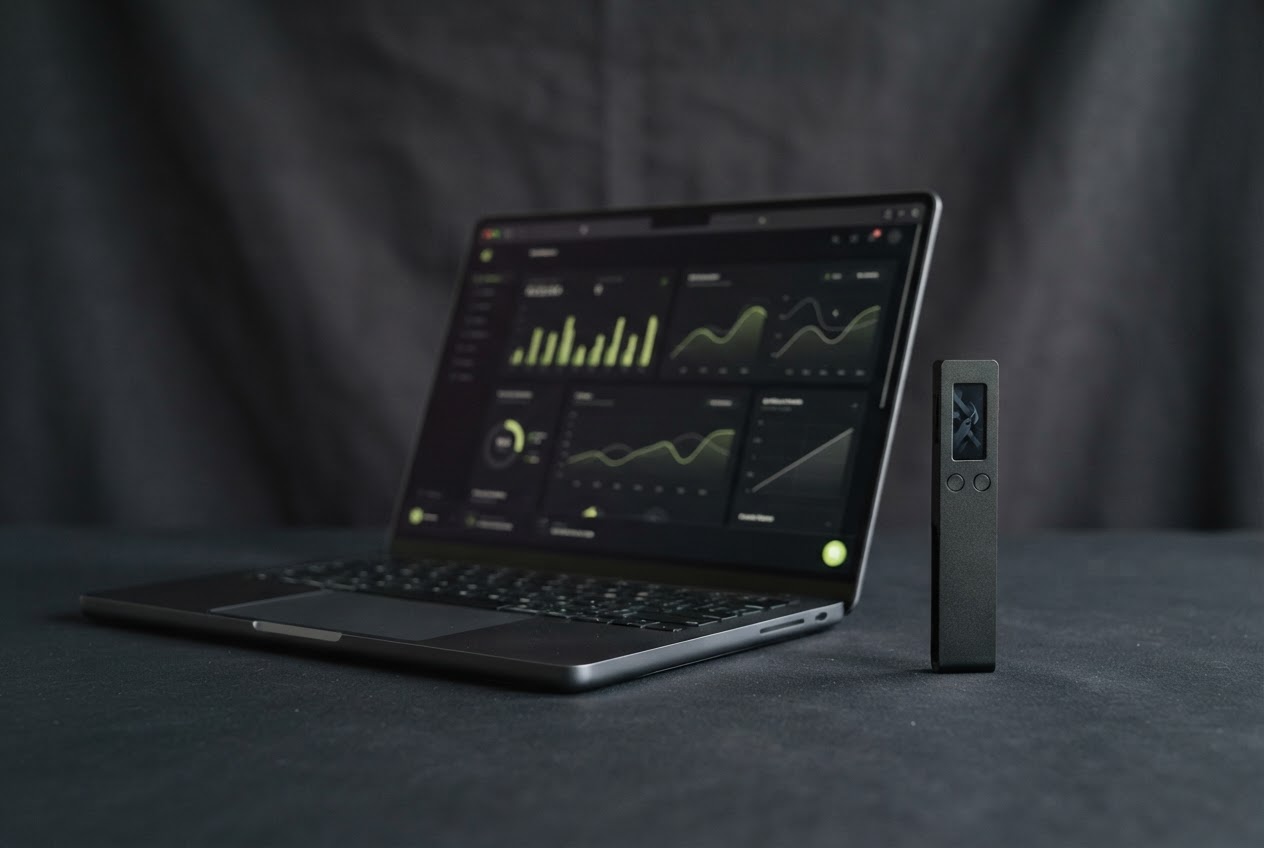
Ledger Live Desktop is a companion interface for accounts associated with a compatible hardware wallet. It brings account views, balances, transaction activity, and device tools together on a computer. The hardware wallet is designed to protect private keys and let you verify sensitive actions on the device.
Think of the desktop app as a control panel, not a vault that removes every risk. Features and workflows can change, so confirm current details in trusted documentation and on your device before acting.
Independent resource
This page is educational and is not an official Ledger website or endorsement. It does not provide wallet downloads, investment advice, or account support.
A few quiet checks now can prevent rushed decisions later.
Use your own compatible hardware wallet and unlock it yourself. Never enter a recovery phrase into a computer, website, or support chat.
Use a computer you control, apply operating-system updates, and avoid public devices. A current browser and stable connection help.
Observe first. Learn account and network context before transferring value. Be wary of urgency, unsolicited help, and guaranteed-return promises.
Keep the sequence simple, and pause whenever something looks unfamiliar.
Find the desktop app through the product maker’s independently verified channels. Check the domain carefully and avoid ads, unsolicited links, and third-party download mirrors.
Follow the current installation guidance for your operating system. Read permission prompts, then open the app directly rather than through a link in a message.
Take time to understand device prompts and the app’s navigation before adding accounts. Do not share recovery words to troubleshoot setup.
Connect your hardware wallet using a method supported by your model, then unlock it locally. The app may ask you to open a device feature before checking accounts. Steps vary by device and software version.
Read approval details on the hardware wallet itself, checking addresses and transaction information on its display. If an unexpected prompt appears, stop and investigate through trusted documentation. Never approve an action just because a pop-up says it is required.
Expect a set of tools rather than a single “wallet balance” screen.
Move between account lists, asset details, and related tools. Names and available menus vary by release.
Understand accounts ↗Review recorded transactions and statuses. Network confirmation and app display updates may not happen at the same moment.
Read the basics ↗Look for connection and update prompts in context. Confirm what the device asks you to do before proceeding.
Update awareness ↗Understand what a screen tells you—and what it cannot.
An account organizes activity for an asset or network. Portfolio views summarize estimates based on market prices and available data; amounts are not guaranteed sale values or immediately available.
Before a transfer, match the asset and network to the destination. Similar asset names can exist on different networks, and a mismatch can make funds inaccessible. Verify the address and transaction on your device; pause if uncertain.
Good habits are a stronger layer than any interface.
Keep it private and offline, in a secure place you control. Anyone who obtains it may be able to access assets. No legitimate helper needs you to reveal it.
Read addresses, amounts, and transaction prompts on your device screen. Reject anything you did not initiate or cannot explain.
Secure your computer with updates and a screen lock. Avoid sharing screenshots containing private account information, and be cautious with remote access.
Updates may change compatibility or workflows. Check the app and maker’s verified channels, review release information, and keep your operating system current.
Avoid update links in pop-ups or messages. An update should never request your recovery phrase. Verify instructions through a trusted source you locate independently.
Slow down around the moments that matter most.
Searching and clicking the first download result. Sponsored results and lookalike pages can be deceptive; verify the source yourself.
Mixing up an asset and its network. Check both the sending and receiving context before a transfer.
Approving without reading the device. The hardware wallet display is an important independent checkpoint.
Trusting unsolicited troubleshooting. Ignore messages asking for secrets, remote access, or urgent action.
Before you finish your first session, make sure you can answer yes to these:
Short answers for a more informed first session.
It is a desktop companion interface for viewing and managing accounts associated with a compatible hardware wallet. Features and supported assets depend on current software and device compatibility.
No. This is an independent educational resource and is not affiliated with, endorsed by, or operated by Ledger. For product support or downloads, locate official channels independently.
No. Never type it into an app, website, or chat. Keep it offline and private.
No. Portfolio values can be estimates based on price data and may not represent a realizable sale price or immediate availability.
Pause. Do not approve it, disclose secrets, or follow unsolicited links. Verify the situation through current documentation found from a trusted source.